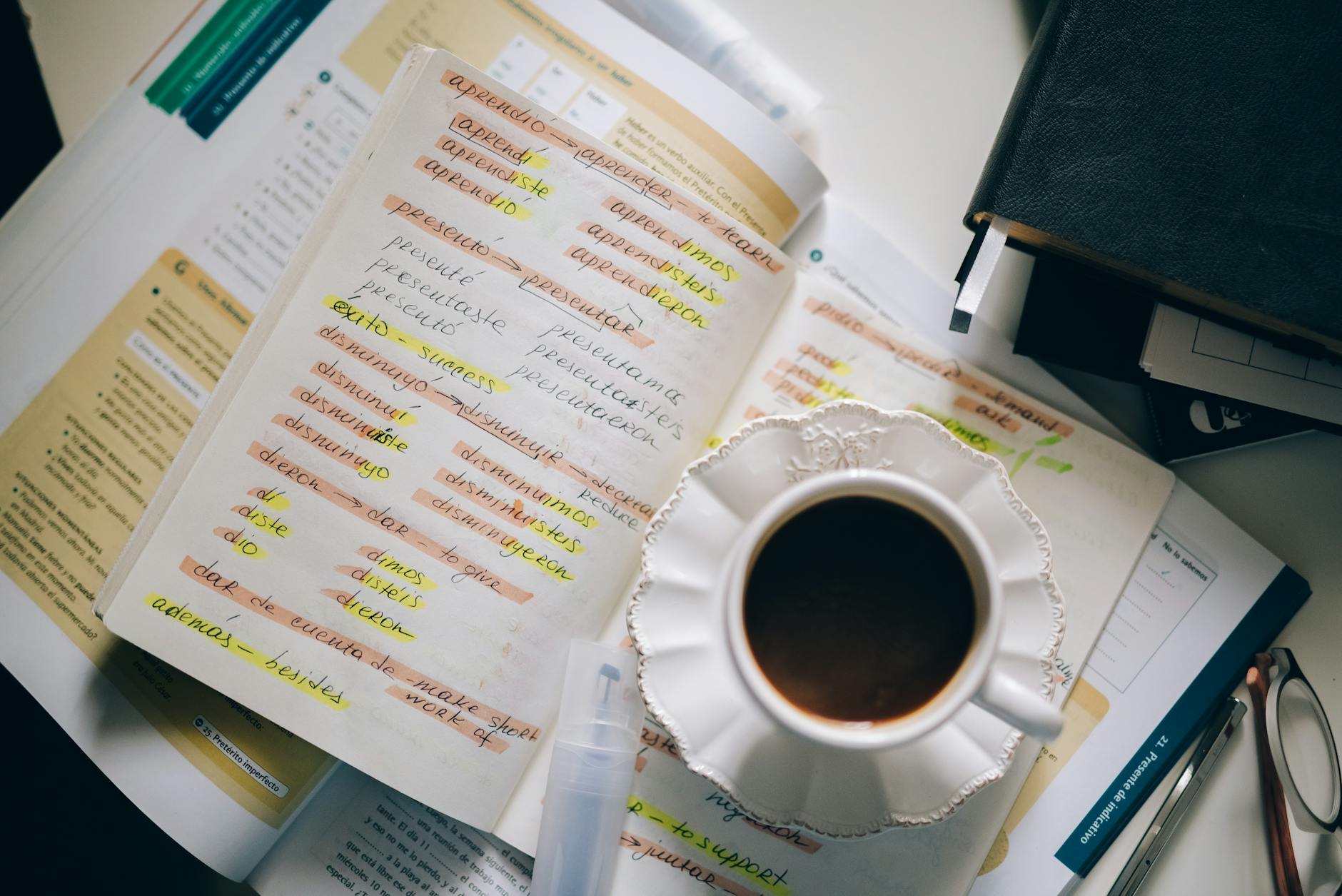
Learning Spanish in Spain as an expat is not just a cultural goal. It affects how easily you handle appointments, speak to your landlord, ask questions at the bank, explain symptoms to a doctor, and understand what local offices need from you. If you plan to stay long term, Spanish becomes part of your settling-in toolkit rather than a side hobby.
The challenge is that many language guides stay too general. They talk about immersion, motivation, and confidence, but they do not explain how to study Spanish around real expat life in Spain. This version focuses on practical progress: choosing the right learning setup, understanding DELE and SIELE, budgeting for classes, and building the daily-life Spanish that actually helps with bureaucracy and integration.
Start with the kind of Spanish you actually need
If you have just moved, your first useful goal is not sounding perfect. It is being able to manage the situations that come up every week. That usually means learning how to introduce your case, ask what document is missing, understand basic written instructions, and describe a problem calmly by phone or in person.
This is one reason language learning connects directly with the rest of the site. If you are still working through paperwork, the guides on getting a NIE in Spain, empadronamiento, and the Spain student visa all expose the vocabulary you are likely to hear in real appointments.
How to choose the right way to learn Spanish in Spain
Spain gives you several valid ways to learn Spanish, but they do not solve the same problem. The best format depends on whether you need structure, flexibility, conversation practice, or targeted help with daily tasks.
Accredited language schools
If you want structure, an accredited school is usually the safest starting point. Spain has many private schools, but it is worth checking whether the center is recognized through Instituto Cervantes accreditation rather than relying on marketing alone. Group classes work well if you want clear progression, placement testing, and a weekly routine.
When comparing schools, look for:
- small class size
- clear level placement
- strong speaking practice, not just textbook exercises
- schedules that fit work or admin commitments
- written pricing that includes registration and materials
Private tutors
Tutors are often the fastest option if you already know your weak spot. Many expats need help with speaking confidence, pronunciation, or the practical Spanish used in appointments rather than another broad grammar course. A tutor can also help you rehearse real situations before they happen.
Conversation tools and language exchange
Conversation exchange works best once you already have foundations. If you want a lighter online speaking option, the existing recommendation to use Enkitalki still makes sense as a supplement. It should support your main study plan, not replace it entirely.
A practical setup for many expats is hybrid: one structured learning channel, one conversation channel, and daily exposure through errands and routine life.
Which city is best for learning Spanish?
Your city changes both your budget and your learning environment. Madrid and Barcelona offer the widest school choice, but they also make it easier to stay inside an English-speaking bubble. Cities such as Valencia, Seville, Malaga, Granada, and Salamanca can be easier places to combine study with real daily use of Spanish.
If you are still choosing where to settle, compare the language environment with the bigger lifestyle question in our guide to the best cities to live in Spain. A city that works for rent, transport, and paperwork will usually help your Spanish more than a city chosen only for image.
How much does it cost to learn Spanish in Spain?
Prices vary by city, class format, and intensity. As a planning range, many expats will see intensive group courses around EUR 150 to EUR 300 per week, while private lessons often fall around EUR 20 to EUR 40 per hour. Madrid and Barcelona usually sit at the higher end, while second-tier cities can be more affordable.
Before paying, confirm whether registration fees, books, exam preparation, and cancellation rules are included. The sticker price alone rarely tells the full story.
DELE vs SIELE: what is the difference?
If you want formal proof of Spanish ability, the two names most expats run into are DELE and SIELE.
DELE is the official diploma managed through Instituto Cervantes. It is the better-known traditional route and is useful if you want a formal qualification with long-term recognition.
SIELE is a digital certification system designed for flexible testing and faster handling. Many learners prefer it when they want a modern exam format and a more agile administrative experience.
Which one matters more depends on your goal. If you are studying for practical survival Spanish, you may not need either immediately. If your long-term plans include Spanish citizenship, structured exam preparation becomes more relevant and worth planning for early.
Daily-life Spanish scripts that help expats fast
The fastest improvements often come from repeating the same useful scripts until they feel natural.
- At an appointment: Hola, tengo cita y queria confirmar si falta algun documento.
- At the bank: Quiero abrir una cuenta y me gustaria saber que documentos aceptan en mi caso.
- With a landlord or agency: Queria confirmar la duracion del contrato, la fianza y los gastos aparte.
- At the doctor or pharmacy: Necesito explicar mis sintomas y saber si debo pedir cita o ir a urgencias.
You do not need perfect grammar to make these useful. You need repetition, calm delivery, and enough comprehension to follow the next question.
A realistic 3-month study plan
- Build survival vocabulary for housing, transport, health, and paperwork.
- Study with classes or tutoring two to four times per week.
- Add one conversation channel such as Enkitalki or a local exchange group.
- Reuse your real documents, messages, and appointments as study material.
- Review the phrases you repeat most often until they become automatic.
Final thoughts
Learning Spanish in Spain works best when it supports the life you are actually building. Choose a study format you can afford, a city that encourages daily use, and a plan that helps with paperwork, healthcare, housing, and relationships. If your Spanish becomes useful in real administration and daily tasks, fluency usually grows from there.
For most expats, that is the real goal: not learning Spanish in the abstract, but making Spain easier to live in.
Leave a Reply