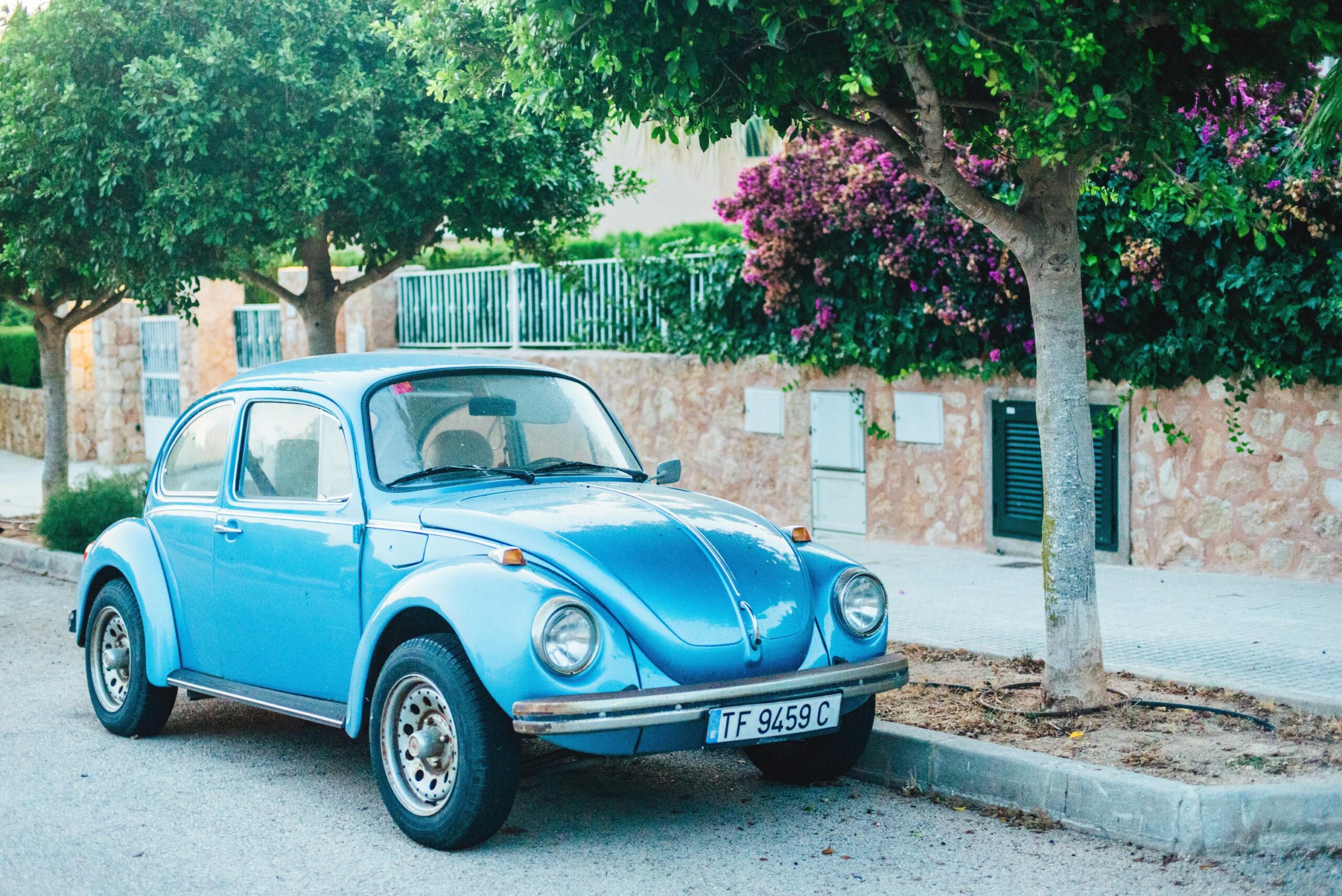
If I need to learn how to pass ITV for your car in Spain, I try to reduce it to three simple questions: what documents I need, what actually happens at the station, and what happens if the result is not favorable. For many expats, ITV sounds more intimidating than it really is. In practice, it is a short technical inspection, it follows a national procedure, and once I know what the lane staff will ask for, the whole thing becomes much less stressful.
The first reassuring point is this: I do not need to find some special “best” ITV center to be treated correctly. Any authorized ITV station in Spain is generally fine. The DGT station directory lists the approved centers, and the technical checks are standardized under the Ministry of Industry’s national ITV manual. That means I usually choose based on practical things such as distance, appointment availability, price, opening hours, and whether the station is known locally for being organized and easy to access. Also, not all of them might be mentioned on DGT, so check also Google Maps, search simply ITV.
How to pass ITV for your car in Spain: choose the station without overthinking it
If I am booking ordinary ITV for a privately owned car, I can normally use any authorized station that suits me. I do not have to use the one closest to my registration address, and I do not have to search for a magical “expat-friendly” center. AECA-ITV explains that the law does not force me to pass the inspection in a specific autonomous community, and that the service is standardized nationwide. So if I am traveling, living temporarily in another province, or simply prefer a station near work, that is usually not a problem.
My selection process is simple. I look at whether the station is authorized, whether it has appointments soon, and whether the route there is easy if I need to return for a recheck. I also compare price, because ITV fees vary by region and sometimes by vehicle type or fuel. What I do not assume is that one station can “go easier” on the car than another. The procedure is not supposed to change because the company name changes.
If my car was imported recently and I am still sorting out Spanish paperwork, I would first read this internal guide: How to Import Your Vehicle to Spain. That step is separate from routine ITV, but for many expats the two processes get mentally mixed together.
Which documents I bring, and what I check before leaving home
The DGT guidance on vehicle documents says I should carry three core documents when driving: my driving licence, the vehicle circulation permit (permiso de circulación), and the ITV card or technical sheet (tarjeta ITV or ficha técnica).
That is the legal baseline. DGT also notes that the insurance policy paper and payment receipt are not mandatory to carry in the car. For the station itself, I also keep the booking confirmation handy on my phone, because some centers ask for the reservation code at reception even though it is not one of the three legal driving documents.
If any of the main documents are lost or damaged, I do not leave it to the day before the appointment. DGT has guidance on duplicates, and ITV stations can also help in some cases involving the technical sheet. When I arrive organized, the whole appointment starts better.
- I test all exterior lights.
- I look at tyre condition and tread.
- I check number plates, mirrors, horn, seat belts, wipers, and washer fluid.
- I make sure there are no dashboard warning lights that should not be there.
There is one 2026 detail worth remembering even though it is not the inspection itself: the DGT V16 rule was updated on 21 May 2026 to restate that, from 1 January 2026, the connected V16 warning beacon is the only legal roadside warning device in Spain. So if I am driving to ITV, I want that in the car as part of being road-legal generally.
What actually happens during the ITV process
The station visit is usually more procedural than emotional. I arrive, check in at reception or at the entry point, show the documents, and pay if I have not already paid online. Staff verify the vehicle details, and then I wait for instructions to enter the inspection lane.
Once the car is in the lane, the staff guide me through the process. I normally stay in the vehicle unless they ask me to step out. They may ask me to switch lights on and off, press the brake pedal, turn the steering wheel, accelerate slightly, or follow hand signals through different positions. The inspection usually covers the identity of the vehicle, lights and signaling, tyres and suspension, steering, brakes, axles, emissions, mirrors, glass, plates, and other visible safety items. The team is not expecting me to know technical jargon; they are expecting me to follow simple instructions calmly.
For most ordinary passenger cars, the whole appointment feels closer to a structured checklist than a full workshop diagnosis. If my car is in decent everyday condition, I should not expect drama. The process is designed to confirm minimum road-safety and environmental standards, not to punish me for not being mechanically perfect.
The Ministry of Industry’s ITV information page currently shows version 7.9 of the inspection manual as applicable from 1 January 2026. It also shows a public consultation on version 8.0 opened from 23 April 2026 to 12 June 2026. The practical takeaway for me is simple: the system is centralized and technical, so the lane staff are following a common national framework rather than inventing rules locally.
What the results mean if I do not pass ITV in Spain on the first try
There are three results I care about. The best one is favorable. Sometimes the report can still note minor defects, but I can continue using the car normally and fix those small issues without a mandatory return inspection.
If the result is desfavorable, it means the car has serious defects that must be repaired before the vehicle can be considered compliant. In that case, I do not keep driving it normally. The permitted movement is usually limited to taking it to a workshop and then back for a reinspection. AECA-ITV explains that a follow-up inspection can generally be done at any ITV station in Spain, although in practice I may prefer the same station if it offers a cheaper recheck or if the paperwork is easier.
If the result is negativa, the problem is more serious. That means the vehicle should not leave the station under its own power and usually needs to go by tow truck to a workshop. This is the scenario most people worry about, but it is not the normal outcome for a car that is broadly roadworthy and maintained.
The recent ITV safety messaging in Spain still points to the same lesson: older or poorly maintained vehicles collect more serious defects. AECA-ITV said on 6 May 2026 that first-time pass rates fall when maintenance slips, especially in older fleets. I take that as a reminder not to overcomplicate the process. If I handle the basic checks before the appointment, keep the documents ready, and choose any authorized station that is convenient, I have already removed most of the stress.
Final take on how to pass ITV for your car in Spain
If I want the shortest version of how to pass ITV for your car in Spain, it is this: book any authorized ITV station that is convenient, bring my driving licence, circulation permit, and ITV card, do a quick pre-check on lights, tyres, and obvious safety items, and follow the staff instructions calmly in the lane. For an expat, ITV can feel like a bureaucracy test, but it is really a standardized safety check. Once I see it that way, it becomes manageable.
Leave a Reply